Indoor Natural Light Photography Without Flash
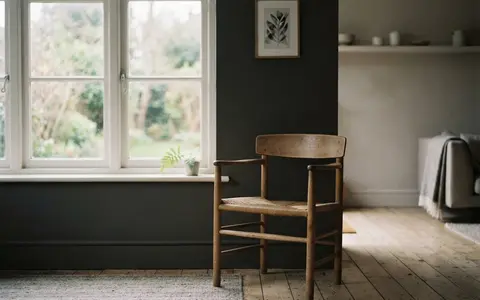
How to shoot indoor natural light photography without flash using window placement, camera exposure settings, white balance, and falloff control.
How to shoot indoor natural light photography without flash using window placement, camera exposure settings, white balance, and falloff control.
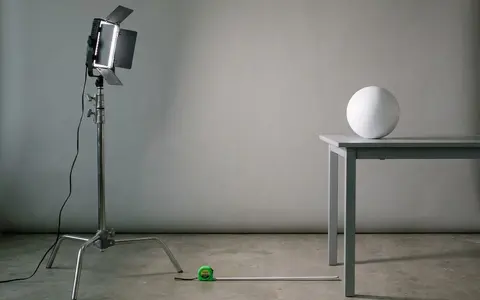
Learn how the inverse square law controls light falloff, exposure stops, and background separation in photography and video.
Interactive Kelvin color temperature chart (1,000–10,000 K) and mired light matcher for camera white balance, built from Planck, CIE, and maker specs.
Learn the difference between Kelvin color temperature and green-magenta tint (Duv), why LEDs shift green, and how to fix color casts.
Learn what key-to-fill lighting ratios mean in f-stops, how 2:1, 4:1, and 8:1 contrast looks on camera, and how to measure ratios with a light meter.
Stop LED flicker and rolling-shutter banding in video and stills by matching shutter speed to 50 Hz or 60 Hz mains and using anti-flicker tools.
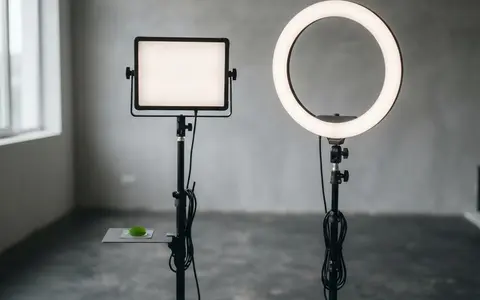
LED panel vs ring light compared on shadow direction, catchlights, output, color control, and video call or portrait use cases.
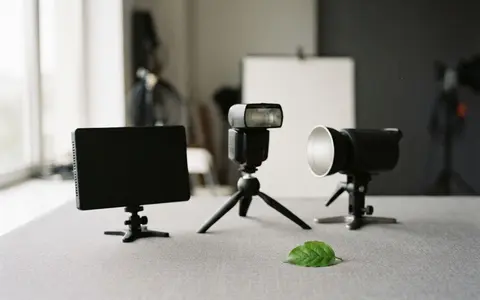
Compare continuous LED lights, camera speedlights, and studio strobes by output units, shutter sync, color control, and video use to pick your first light.
Calculate exposure change in stops, new f-stop, flash power, or guide-number aperture when you move a light closer or farther from your subject.
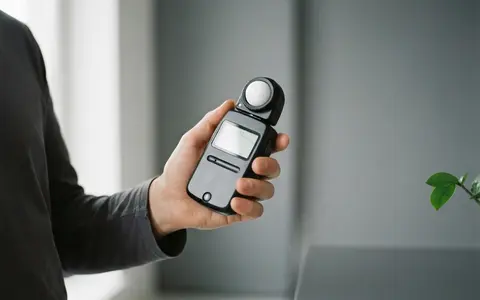
Understand incident vs reflected light meter readings, why camera meters aim for middle gray, and when a handheld dome or spot reading helps.
This site sets no tracking cookies today. If we add optional services (analytics or marketing), they only run after you say yes. Your choice is stored on your device. Cookie policy