Window Light Portrait Setup: Position, Time and Diffusion
Author: Fiat Lux Guides Editorial Team Reviewer: Fiat Lux Guides Editorial Team Most recently reviewed First published Filed under Natural Light
A window acts as a large, directional light source whose softness and contrast depend on your subject's distance from the glass, angle to the frame, and whether direct sun hits the pane. Place your subject close to an indirectly lit window, turn off indoor lamps to avoid mixed color casts, and angle the face toward the light to shape natural shadows.
Belongs to the guide: Natural Light Photography: A Beginner Guide
Checked by Fiat Lux Guides’ editorial desk against the cited sources.
A window is the simplest directional modifier available in available-daylight techniques. Because a window frames sky light into a single rectangular opening, it behaves much like a studio softbox—without stands, cables, or power packs. How soft or dramatic the portrait looks depends on four controllable variables: whether direct sun enters the glass, how close the subject sits to the pane, the angle between the window, subject, and camera, and how you handle indoor ambient light.
Why Window Light Works Like a Softbox
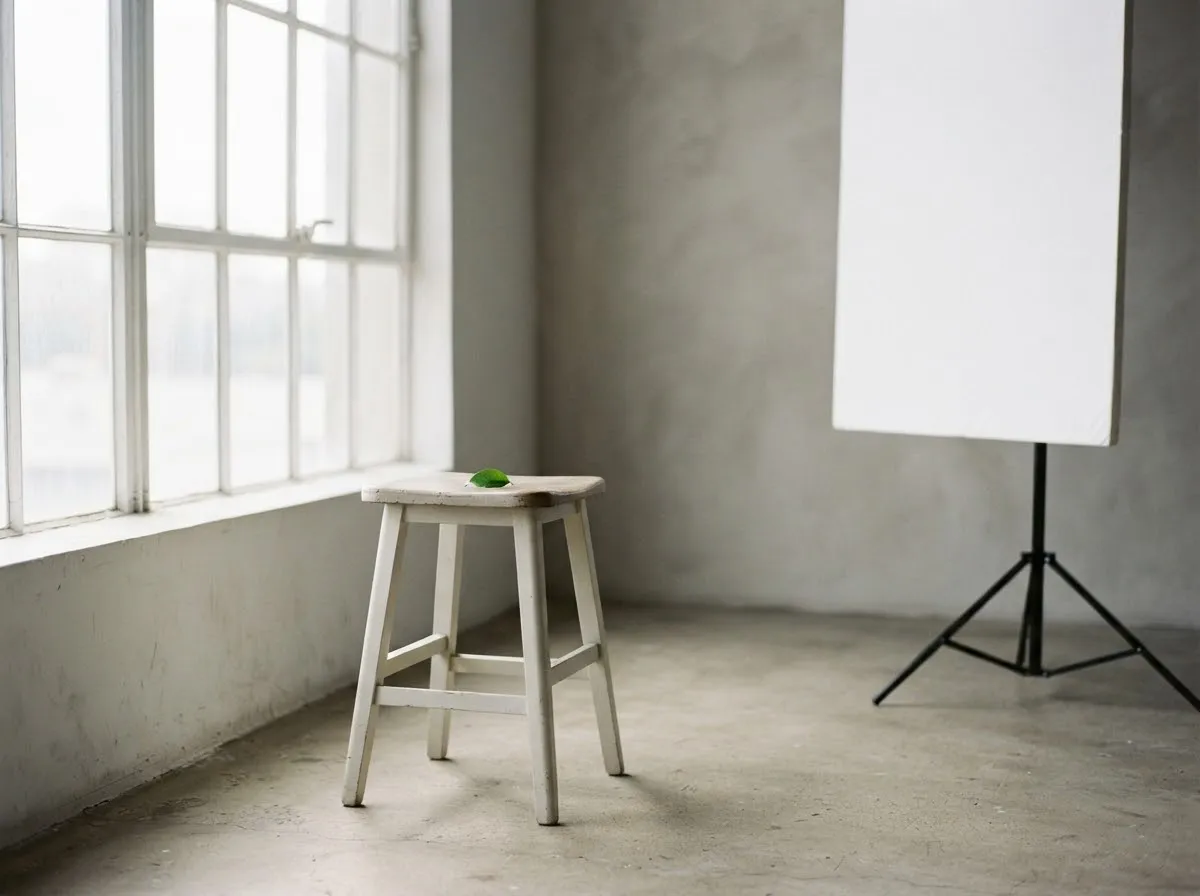
A window produces soft-edged shadows when its lit glass spans a wide angle as seen from the subject’s face. In optics, shadow-edge softness grows with the apparent angular size of the light source. Direct sunlight has a tiny apparent angular diameter from Earth, which is why unshaded sun casts crisp, hard-edged shadows. By contrast, an indirectly lit window fills a large rectangle of sky light right beside your subject, sending rays toward the face from many angles at once so shadows transition smoothly from highlight to dark.
If direct sun hits the window, that small, bright solar disk dominates the room and creates hard shadows again. Hanging a sheer white curtain or translucent diffuser across the frame replaces the tiny sun disk with a glowing rectangle the size of the window itself.
How Should You Position the Subject and Camera?
Start by placing your subject close to the window—typically within arm’s reach of the glass—and then adjust the angle between the window, the subject’s face, and your lens. Each geometry produces a distinct look:
- Front-facing (camera back to the window): Place the subject facing the glass while you shoot from in front of the window, careful not to block the light with your body. Light wraps evenly across both cheeks, minimizing skin texture and producing flat, low-contrast portraits.
- 45-degree angle (classic directional light): Seat the subject beside the window and angle their torso slightly away from the glass while keeping their face turned slightly toward it. One side of the face receives bright key light while the far cheek falls gently into shadow, adding depth and catchlights in both eyes.
- Side light (90 degrees to the camera): Position the subject looking straight ahead while the window sits directly to their left or right. Half the face is lit and half sits in deeper shadow—ideal for dramatic portraits, especially when the background behind them is dark.
- Backlight (subject in front of the window): Place the subject between the window and your lens. Expose for the face rather than the bright pane behind them, or use a white foam board or reflector on the camera side to bounce window light back onto the front of the face.
How Distance Changes Brightness and Background Falloff
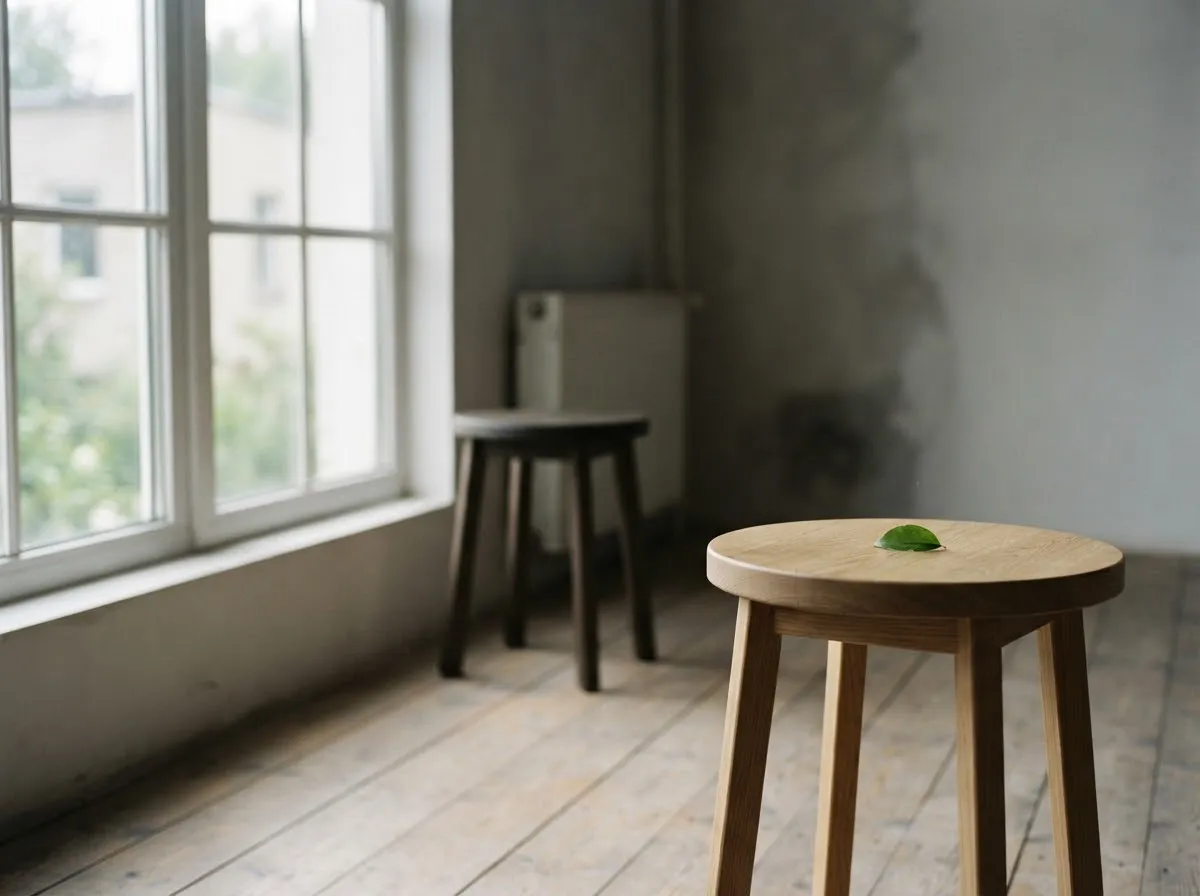
Because light spreads as it travels away from an opening, moving your subject closer to or farther from the window changes both exposure and how dark the room behind them looks. According to the inverse square law for point sources, doubling distance cuts illuminance to one-fourth (2 stops). A large window close to a subject falls off more gently than a tiny bulb, yet the practical effect inside a room is still dramatic:
- Subject close to the window, background far behind: The subject receives bright window light while the far wall sits several times farther from the glass, causing the background to drop into dark, clean shadow.
- Subject several paces back from the window: Light across the subject’s face and the wall behind them becomes more even in brightness, and the window’s smaller apparent size slightly crisps up shadow edges.
You can model point-source distance changes with our light distance exposure calculator.
Choosing the Right Window Direction and Time of Day
The direction a window faces determines whether you get steady indirect skylight or moving beams of direct sun:
- Windows facing away from the sun’s path (such as north-facing windows in the Northern Hemisphere): These receive indirect skylight for most of the day, keeping brightness and color stable across long sessions.
- East- or west-facing windows: Expect direct, low-angle sun in the morning (east) or late afternoon (west). Near sunrise or sunset, golden hour light enters at a low angle and warms the room naturally, while midday indirect hours behave like open shade.
- South-facing windows (Northern Hemisphere): These receive direct sun for much of the middle of the day; use a sheer curtain or shoot when clouds diffuse the sky.
Controlling Color Temperature and White Balance
Turn off all overhead ceiling fixtures, desk lamps, and TVs before shooting by a window. According to Nikon’s white balance documentation, incandescent household lamps sit near 3000 K (warm orange), whereas indirect daylight in shade is much cooler—Nikon’s Shade preset targets roughly 8000 K and Cloudy targets roughly 6000 K. If a warm indoor lamp hits the shadow side of a subject’s face while cool skylight hits the window side, skin tones split into orange and blue patches that cannot be fixed cleanly with a single white-balance slider.
Once room lights are off, set your camera’s white balance to Daylight, Cloudy, or Shade depending on how warm you want skin tones to appear, or shoot RAW so you can fine-tune Kelvin temperature in post. If you want to preview how Kelvin presets shift color, check our Kelvin chart.
Step-by-Step Window Light Portrait Checklist
- Turn off indoor lights so only natural window light illuminates the room.
- Check for direct sun on the floor or sill; if harsh beams appear, hang a white sheer curtain or diffuser over the pane.
- Place the subject close to the glass and rotate their face slightly toward the window until catchlights appear in both eyes.
- Add simple fill if needed: Hold a white poster board or reflector on the shadow side of the face to lift dark shadows without adding a second light source. Moving the reflector closer brightens the shadow side, while pulling it farther away preserves deeper contrast. Conversely, placing a dark cloth or black foam board on the shadow side blocks room bounce and deepens shadow contours.
- Meter for the lit cheek: Use spot or center-weighted metering on the brighter side of the face, and check your histogram so highlights on the forehead and nose do not clip. Keep shutter speed fast enough to avoid subject motion blur, or raise ISO in whole-stop increments using your camera’s exposure controls as daylight fades late in the afternoon.
For details on how we verify every technical claim and camera reference, read our sourcing rules.
Frequently Asked Questions
How far should a portrait subject sit from a window?
Place the subject within one to two paces of the window when you want soft, wrapping light and rapid background falloff. Moving closer increases the window’s apparent angular size relative to the face, which softens shadow edges, while moving farther away makes the window act like a smaller, harder light source.
Should you turn off room lights for window light portraits?
Yes. Turning off overhead lamps and room bulbs prevents mixed color temperatures on your subject’s skin. Standard incandescent bulbs sit near 3000 K while indirect window light is much cooler, so mixing them forces your camera’s white balance to leave either orange or blue casts in the frame.
What is the best time of day for window light portraits?
Shoot when direct sun is not striking the window glass, or diffuse the pane with a sheer curtain if direct sun enters. Indirect skylight from a window facing away from the sun stays consistent in brightness and softness for hours, whereas direct sun creates harsh, high-contrast shadow edges.
Where should the camera be positioned relative to the window?
Position the camera with your back to the window for flat, even light, or move the camera perpendicular to the window for side lighting that sculpts cheekbones and jawline. Turning the subject’s nose slightly toward the glass keeps catchlights visible in both eyes.
How do you soften harsh sunlight coming through a window?
Hang a translucent white sheet, sheer curtain, or collapsible diffusion panel directly across the window frame. The diffuser scatters the narrow, collimated beam of direct sunlight into a broad, glowing surface, turning hard-edged shadows into smooth transitions while lowering contrast across your subject’s face and background.
Sources
Common questions
How far should a portrait subject sit from a window?
Place the subject within one to two paces of the window when you want soft, wrapping light and rapid background falloff. Moving closer increases the window's apparent angular size relative to the face, which softens shadow edges, while moving farther away makes the window act like a smaller, harder light source.
Should you turn off room lights for window light portraits?
Yes. Turning off overhead lamps and room bulbs prevents mixed color temperatures on your subject's skin. Standard incandescent bulbs sit near 3000 K while indirect window light is much cooler, so mixing them forces your camera's white balance to leave either orange or blue casts in the frame.
What is the best time of day for window light portraits?
Shoot when direct sun is not striking the window glass, or diffuse the pane with a sheer curtain if direct sun enters. Indirect skylight from a window facing away from the sun stays consistent in brightness and softness for hours, whereas direct sun creates harsh, high-contrast shadow edges.
Where should the camera be positioned relative to the window?
Position the camera with your back to the window for flat, even light, or move the camera perpendicular to the window for side lighting that sculpts cheekbones and jawline. Turning the subject's nose slightly toward the glass keeps catchlights visible in both eyes.
How do you soften harsh sunlight coming through a window?
Hang a translucent white sheet, sheer curtain, or collapsible diffusion panel directly across the window frame. The diffuser scatters the narrow, collimated beam of direct sunlight into a broad, glowing surface, turning hard-edged shadows into smooth transitions while lowering contrast across your subject's face and background.
What we checked
- HyperPhysics: Inverse Square Law for Light, checked 2026-11-14 (hyperphysics.gsu.edu)
- Nikon Z fc Reference Manual: White Balance Presets, checked 2026-11-14 (onlinemanual.nikonimglib.com)
- NASA Sun Fact Sheet, checked 2026-11-14 (nssdc.gsfc.nasa.gov)
You might also like
- Natural Light Photography: A Beginner Guide
Learn natural light photography: how sun angle, window size, open shade, and overcast skies shape shadow softness, color temperature, and exposure.
- Backlight and Rim Light with a Window
How to shoot backlit window portraits and rim light using metering, exposure lock, flare control, and reflector fill without blowing out skin tones.
- Food Photography with Window Light
Use side light, backlight, sheer diffusion, and bounce cards to shape texture and highlights in food photography with window light.
- Golden Hour Photography Explained
Learn what causes golden hour light, when it occurs by solar elevation, how long it lasts, and which white balance and camera settings preserve warm tones.
- Indoor Natural Light Photography Without Flash
How to shoot indoor natural light photography without flash using window placement, camera exposure settings, white balance, and falloff control.
- Natural Light vs Artificial Light: When to Use Each
Natural light vs artificial light compared on cost, color stability, power, and control so you can decide when window light or studio gear fits best.