Open Shade and Overcast Light for Photos
Author: Fiat Lux Guides Editorial Team Reviewer: Fiat Lux Guides Editorial Team Most recently reviewed First published Filed under Natural Light
Open shade is an outdoor area blocked from direct sunlight—such as the shadow side of a building or porch—that remains open to bright ambient sky light. Both open shade and overcast skies turn the sky into a broad, diffused light source with soft shadows, though open shade carries a cool blue cast that benefits from Shade or Cloudy white balance presets.
Belongs to the guide: Natural Light Photography: A Beginner Guide
Checked by Fiat Lux Guides’ editorial desk against the cited sources.
When midday sun is too harsh or golden hour light is hours away, open shade and overcast skies are the two easiest ways to get soft, flattering illumination in natural light photography. Both replace the tiny, hard-edged solar disk with a massive diffuser—either the open blue sky on a sunny day or a blanket of clouds on a gray day. Knowing how to position your subject, control directionality, and correct the cool color cast keeps your portraits crisp instead of flat or muddy.
What Is Open Shade and Why Does It Work?
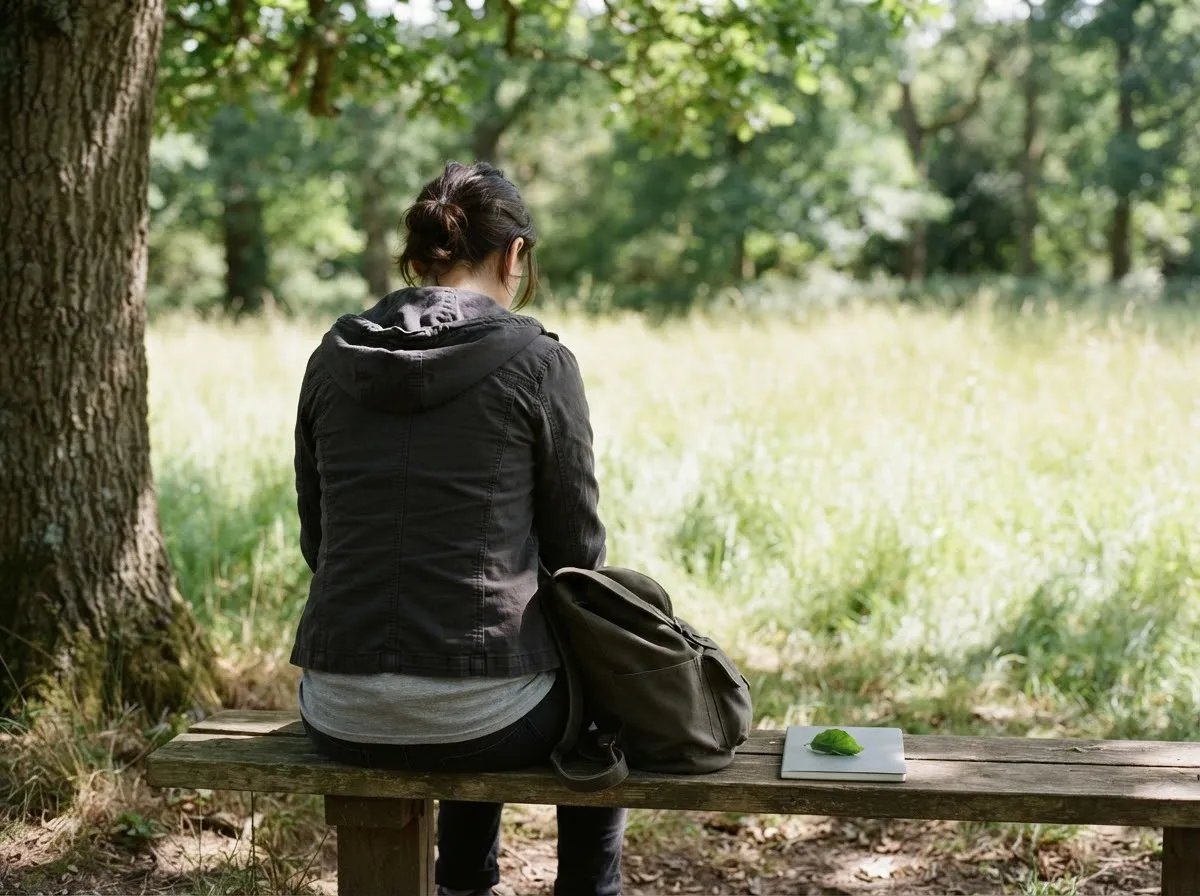
Open shade is any outdoor area blocked from direct sunlight by a solid object—such as the north side of a building, a tall wall, or a covered porch—while remaining open to a broad, unobstructed view of the sky.
From Earth, the Sun’s apparent angular diameter is tiny—roughly half a degree, based on its volumetric radius and distance in the NASA Sun Fact Sheet. That small angular size is why direct sunlight casts razor-sharp shadows. Stepping into open shade blocks that tiny point-like beam completely. Instead, your subject is lit by the wide expanse of sky visible in front of them, which acts like a giant studio softbox.
Open Shade vs. Tree Shade
Not all shade is equal. Standing under a leafy tree creates dappled shade—bright spots of direct sun mixed with dark shadow patches across faces and clothing—and green leaves reflect a noticeable green cast onto skin. True open shade has a solid, opaque structure blocking the sun completely and clean, open sky in front of the subject, much like working beside a large outdoor window light portrait setup.
Open Shade vs. Overcast Light: Key Differences
Although both conditions produce soft shadows, they behave differently in directionality, background brightness, and color temperature:
- Directionality: In open shade on a sunny day, a wall or building blocks light from behind, so skylight enters mostly from the front or side. That natural directionality sculpts faces and creates bright catchlights in the eyes. Under full overcast clouds, light arrives evenly from almost every overhead angle, which can look flat or cast slight shadows under deep-set eyes.
- Background exposure: On a sunny day, the background behind your open-shade subject may still be hit by direct sunlight, creating a huge brightness gap where the background blows out white. Look for backgrounds that are also in shade, or frame tightly against a shaded wall. On an overcast day, the entire landscape shares the same exposure level, making wide environmental portraits much easier to balance.
- Color temperature: Clear open shade is illuminated by scattered blue skylight, making it noticeably cooler than overcast cloud light.
Why Open Shade Looks Blue and How to Fix White Balance
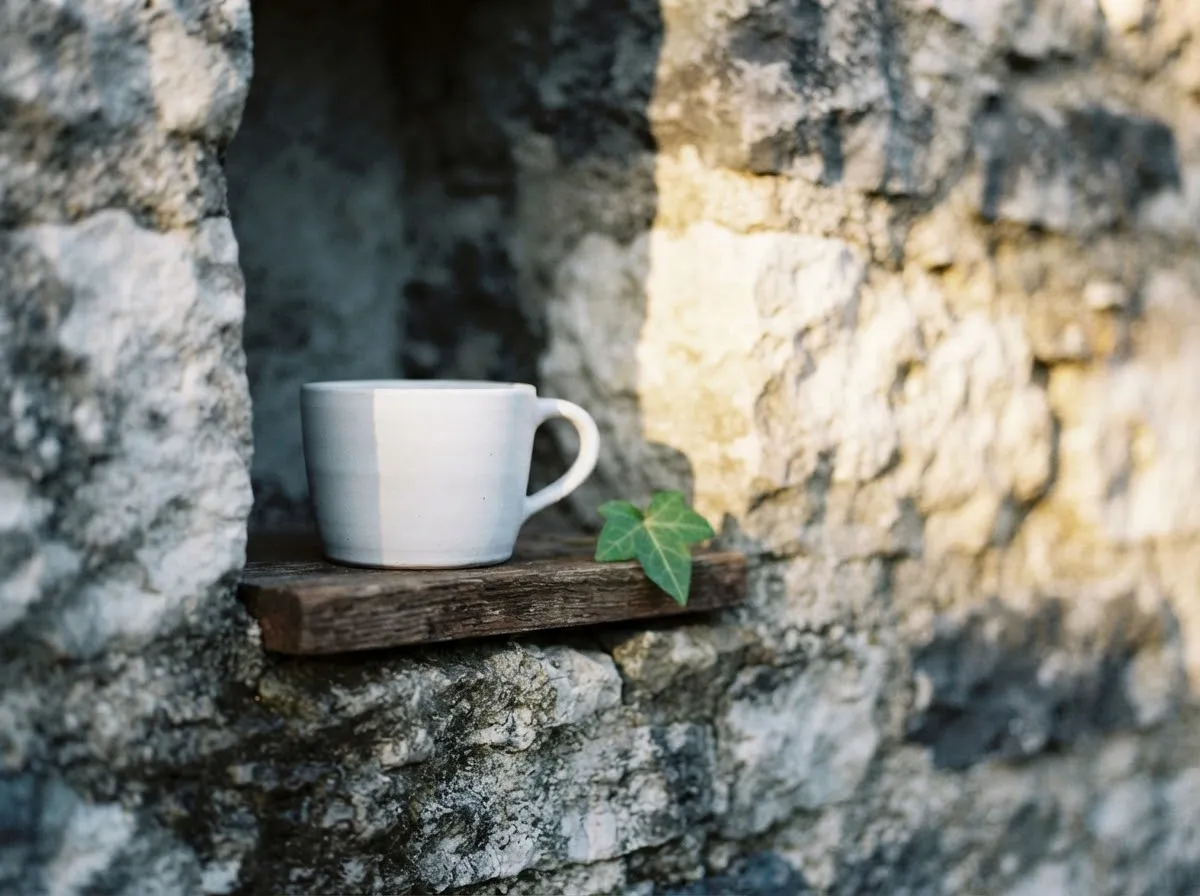
As NASA’s atmospheric light-scattering guide explains, the atmosphere scatters more of the shorter blue wavelengths of sunlight than the longer orange and red wavelengths. When you step out of direct yellow-white sunlight into open shade, the only light reaching your subject comes from that scattered blue sky.
Left on Auto White Balance, many cameras leave skin tones looking cold, gray, or slightly cyan in open shade. Camera manufacturers provide dedicated presets to counteract this shift:
- Cloudy preset: Nikon’s white balance manual specifies the Cloudy preset at approximately 6000 K (compared with 5200 K for Direct Sunlight), adding gentle warmth to gray overcast scenes.
- Shade preset: The same Nikon reference lists the Shade preset at approximately 8000 K, adding stronger amber warmth to neutralize the deep blue cast of clear-sky open shade.
If you shoot in RAW, you can dial in an exact Kelvin value between 6000 K and 8000 K during editing, or preview how Kelvin shifts affect color using our Kelvin color temperature chart.
How to Shape Overcast Light and Keep Catchlights
Overcast days are famously forgiving for portraits, macro work, and outdoor product shots, but shooting straight out in an open field under heavy clouds has one common flaw: overhead top-lighting. Because the brightest part of an overcast sky is directly above, subjects can develop dark shadows in the eye sockets and lack bright eye catchlights.
Use these simple adjustments to restore shape and sparkle:
- Step under an overhang (the porch trick): Place your subject just inside a doorway, gazebo, garage opening, or covered walkway looking out toward the overcast sky. The roof blocks the vertical overhead light, forcing soft cloud light to enter horizontally from the front—instantly creating catchlights and modeling cheekbones.
- Use a dark backdrop or negative fill: Placing a dark wall, hedge, or black reflector to one side of your subject blocks ambient light from that side, adding subtle contrast and depth to the face.
- Add a silver or white reflector: Holding a white foam board or silver reflector below chest height bounces overhead cloud light upward, filling shadows under the chin and eyes without adding artificial flash.
- Watch the ground color: Grass, red brick, or brightly painted walls reflect colored light upward onto your subject’s jawline. Neutral concrete, gravel, or asphalt reflects clean, color-neutral fill light.
Exposure Tips for Open Shade and Overcast Days
Because open shade and cloud cover are dimmer than direct sunlight, keep an eye on your shutter speed and metering:
- Meter for skin, not bright backgrounds: If a sunlit street or bright white sky sits behind your shaded subject, evaluative metering may darken the subject’s face. Use spot metering on the face or dial in positive exposure compensation.
- Check shutter speed: Lower ambient light means slower shutter speeds at base ISO. Keep shutter speed fast enough to freeze subject movement, or raise ISO in whole-stop increments as needed.
- Avoid mixed sunlit patches: Make sure no stray sliver of direct sun hits a shoulder, hair, or background corner, as it will be several stops brighter than the shaded subject and draw attention away from the face.
- Check your white balance before shooting: If you shoot JPEG, switch out of Auto White Balance into the Cloudy or Shade preset so skin tones stay consistent from frame to frame rather than shifting as the background changes.
Whether you are working on a bright afternoon in open shade or under even cloud cover, controlling the direction of the sky light and matching your camera’s white balance to the cool ambient spectrum gives you consistent, natural-looking results without artificial flash.
For details on our research and source-checking process, see our editorial policy.
Frequently Asked Questions
What is open shade in photography?
Open shade is a spot sheltered from direct sunlight—such as the shadow cast by a building, wall, or overhang—while still facing a wide, unobstructed expanse of open sky. Unlike deep shade under dense trees, open shade delivers clean, even, directional skylight without dappled leaf patterns or green color casts.
Why do photos in open shade look blue?
Photos in open shade look blue because the subject is lit exclusively by scattered blue skylight rather than direct sunlight. Because the sky scatters blue wavelengths more strongly than red, setting your camera’s white balance to Shade (around 8000 K) or Cloudy (around 6000 K) warms skin tones back to natural neutrality.
Is overcast light good for portraits?
Yes. An overcast cloud layer scatters direct sunlight into a huge overhead diffuser, producing soft, low-contrast light that flatters skin texture and eliminates squinting. To avoid flat, dark eye sockets under heavy clouds, position the subject near a dark overhang or face them toward an open brighter patch of sky.
What is the difference between open shade and overcast light?
Open shade occurs on sunny days when a building or wall blocks direct sun from behind or beside the subject, creating directional light from the open sky in front. Overcast light comes from clouds covering the entire sky, illuminating the subject primarily from directly overhead with less horizontal directionality.
How do you avoid raccoon eyes on an overcast day?
Move the subject just under the edge of a porch, awning, or doorway facing the open sky. Blocking the top-down cloud light forces light to enter horizontally from the front, restoring bright catchlights in the eyes and lifting shadows under the brow and chin.
Sources
Common questions
What is open shade in photography?
Open shade is a spot sheltered from direct sunlight—such as the shadow cast by a building, wall, or overhang—while still facing a wide, unobstructed expanse of open sky. Unlike deep shade under dense trees, open shade delivers clean, even, directional skylight without dappled leaf patterns or green color casts.
Why do photos in open shade look blue?
Photos in open shade look blue because the subject is lit exclusively by scattered blue skylight rather than direct sunlight. Because the sky scatters blue wavelengths more strongly than red, setting your camera's white balance to Shade (around 8000 K) or Cloudy (around 6000 K) warms skin tones back to natural neutrality.
Is overcast light good for portraits?
Yes. An overcast cloud layer scatters direct sunlight into a huge overhead diffuser, producing soft, low-contrast light that flatters skin texture and eliminates squinting. To avoid flat, dark eye sockets under heavy clouds, position the subject near a dark overhang or face them toward an open brighter patch of sky.
What is the difference between open shade and overcast light?
Open shade occurs on sunny days when a building or wall blocks direct sun from behind or beside the subject, creating directional light from the open sky in front. Overcast light comes from clouds covering the entire sky, illuminating the subject primarily from directly overhead with less horizontal directionality.
How do you avoid raccoon eyes on an overcast day?
Move the subject just under the edge of a porch, awning, or doorway facing the open sky. Blocking the top-down cloud light forces light to enter horizontally from the front, restoring bright catchlights in the eyes and lifting shadows under the brow and chin.
What we checked
- Nikon Z fc Reference Manual: White Balance Presets, checked 2026-11-14 (onlinemanual.nikonimglib.com)
- NASA Science Earth Observatory: Crepuscular Rays and Light Scattering, checked 2026-11-14 (science.nasa.gov)
- NASA Sun Fact Sheet, checked 2026-11-14 (nssdc.gsfc.nasa.gov)
You might also like
- Natural Light Photography: A Beginner Guide
Learn natural light photography: how sun angle, window size, open shade, and overcast skies shape shadow softness, color temperature, and exposure.
- Backlight and Rim Light with a Window
How to shoot backlit window portraits and rim light using metering, exposure lock, flare control, and reflector fill without blowing out skin tones.
- Food Photography with Window Light
Use side light, backlight, sheer diffusion, and bounce cards to shape texture and highlights in food photography with window light.
- Golden Hour Photography Explained
Learn what causes golden hour light, when it occurs by solar elevation, how long it lasts, and which white balance and camera settings preserve warm tones.
- Indoor Natural Light Photography Without Flash
How to shoot indoor natural light photography without flash using window placement, camera exposure settings, white balance, and falloff control.
- Natural Light vs Artificial Light: When to Use Each
Natural light vs artificial light compared on cost, color stability, power, and control so you can decide when window light or studio gear fits best.