Natural Light Photography: A Beginner Guide
Author: Fiat Lux Guides Editorial Team Reviewer: Fiat Lux Guides Editorial Team Most recently reviewed First published Filed under Natural Light
Natural light photography uses sunlight and skylight—outdoors or through a window—to illuminate your subject without artificial fixtures. Because the sun is a tiny point in the sky while clouds, shade, and windows act as large diffused surfaces, controlling natural light comes down to choosing your time of day, weather, and subject position relative to the light source.
Checked by Fiat Lux Guides’ editorial desk against the cited sources.
Natural light photography works with the sun and sky as your only light sources, whether you are shooting outdoors or next to an indoor window. You do not need stands, batteries, or power cords to get clean, directional lighting—you only need to understand how source size, sun angle, and color temperature change throughout the day and across different weather conditions.
Instead of turning a dial on a flash or LED panel, you control natural light by choosing when you shoot, where you stand, and which direction your subject faces.
What makes natural light look hard or soft
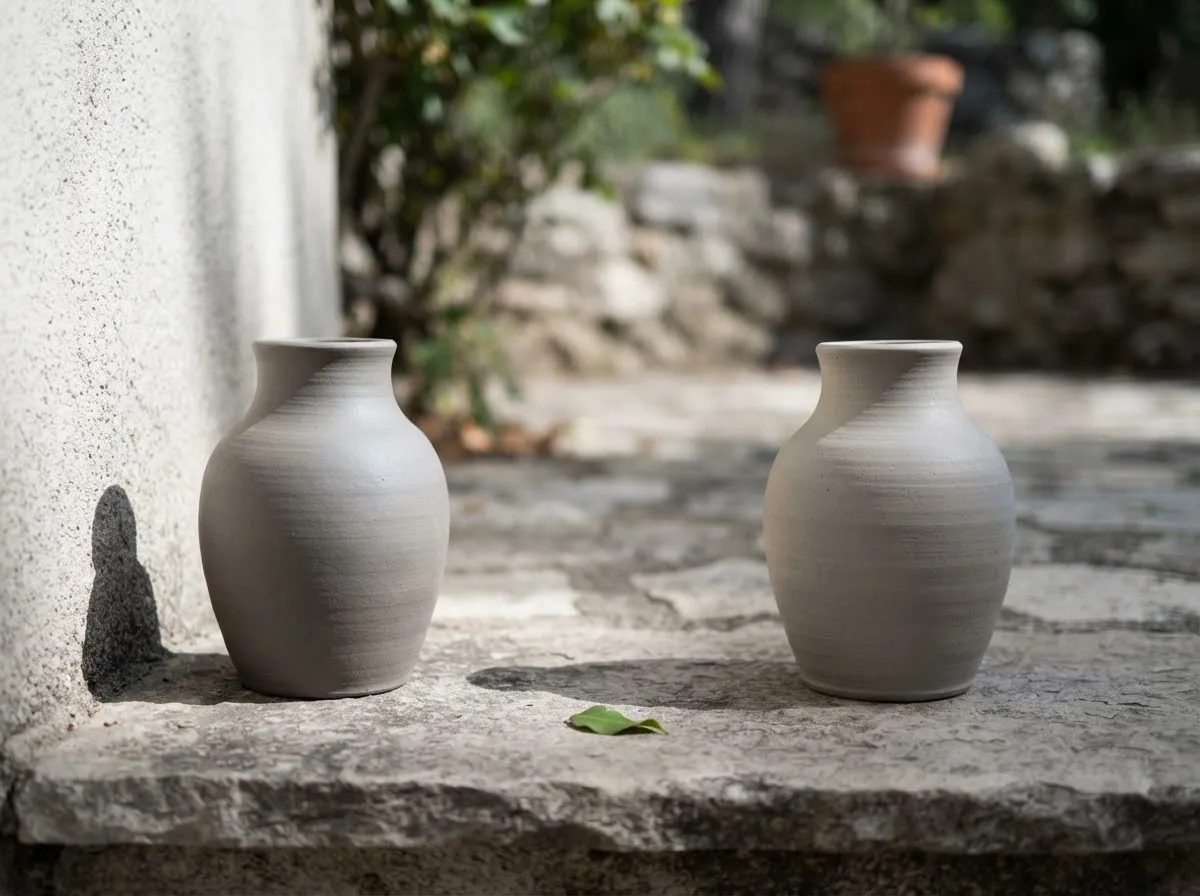
The single biggest visual difference in natural light is whether shadows have crisp, dark edges (hard light) or gradual, smooth transitions (soft light). That difference comes down to the apparent angular size of the light source from your subject’s point of view.
- Direct sunlight is a small source. According to NASA’s Sun Fact Sheet, the Sun’s apparent diameter from Earth at 1 astronomical unit is 1,919 arcseconds—just over half a degree (0.53°). Even though the Sun is enormous, its distance makes it behave like a tiny, pinpoint light in the sky, casting sharp-edged shadows with high contrast.
- Overcast skies and windows are large sources. When cloud cover scatters sunlight across the entire sky, or when skylight enters through a tall window next to your subject, light arrives from a wide range of angles at once. Those overlapping angles fill in shadow edges and produce soft, gentle transitions.
Because you cannot change the size of the Sun, you change the effective source size by moving into open shade, waiting for clouds, shooting through sheer curtains, or placing your subject close to a large window.
How time of day changes angle and color
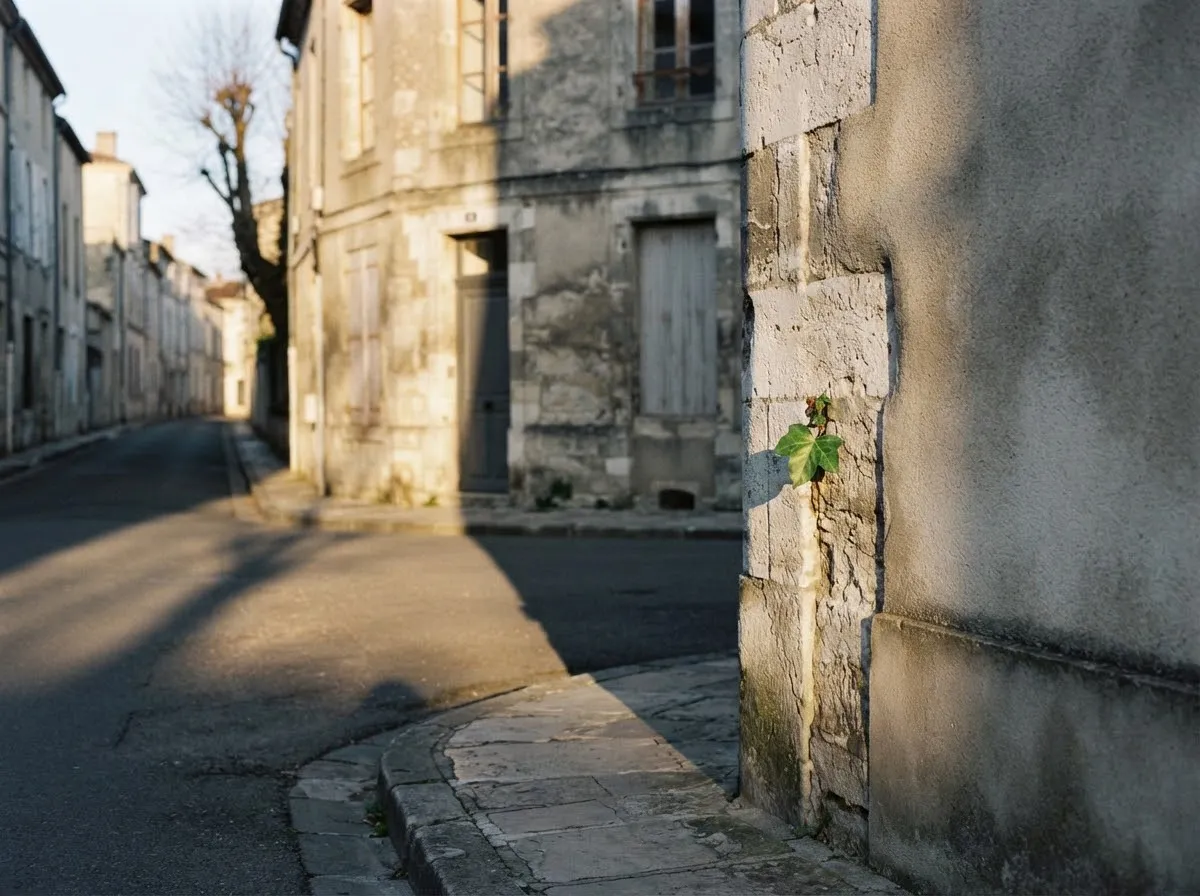
As the Earth rotates, the Sun’s elevation above the horizon changes both the direction of shadows and the color of the light:
- High sun (midday): When the Sun is high overhead, light strikes faces from steep downward angles, creating deep shadows under the brow, nose, and chin. Contrast between sunlit highlights and shaded areas is high.
- Low sun (morning and late afternoon): When the Sun sits closer to the horizon, light travels horizontally across the scene. Shadows stretch out, textures on faces and buildings stand out gently, and warm golden tones appear because sunlight passes through a thicker layer of Earth’s atmosphere.
- Golden hour and twilight: Photographers call the warm period near sunrise and sunset “golden hour,” though it has no single official astronomical definition. By contrast, the U.S. Naval Observatory defines sunrise and sunset as the moment the Sun’s upper edge meets the horizon (accounting for atmospheric refraction) and civil twilight as the period when the center of the Sun is between the horizon and 6 degrees below it.
During civil twilight, direct sunlight is gone and the sky itself becomes a soft, cool-toned overhead light source. To plan around sun elevation for a specific date and location, see our golden hour photography guide.
Planning around the low sun? Our sunrise and low-sun times by location page gives times for your location and date.
Open shade and overcast light
When direct sun is too harsh, moving into open shade—an area shielded from direct sunlight, such as the shadow side of a building or under a porch overhang, while still open to the sky—gives you soft, even illumination without harsh squints.
An overcast sky works similarly on a larger scale. Cloud cover acts like a giant overhead diffusion panel, lowering contrast and wrapping light evenly around subjects. The main trade-off is directionality: light coming straight down from a bright gray sky can look flat unless you place your subject near a dark wall, archway, or overhang that blocks light from one side and restores gentle shadow depth.
Learn how to position subjects and avoid flat-looking portraits in our guide to open shade and overcast light.
Color temperature shifts in natural light
Natural light is not one fixed color. As direct sun, clouds, and open shade trade places, the color temperature shifts along the Kelvin scale—and your camera’s white balance presets are built to compensate for those exact shifts.
Canon’s EOS R6 manual, for example, lists these approximate color temperatures for its natural-light presets:
- Daylight: ~5200 K (balanced for direct sun in fair weather)
- Cloudy, twilight, sunset: ~6000 K (adds warmth to counter cooler overcast or twilight tones)
- Shade: ~7000 K (adds stronger warmth to offset the blue cast of open shade lit by skylight)
Sony’s camera help guides similarly provide dedicated Daylight, Shade, and Cloudy presets so white objects stay neutral as outdoor light shifts. If you leave your camera locked on Daylight while shooting in open shade, skin tones and whites often turn noticeably blue. Dive deeper into Kelvin presets in color temperature and white balance explained or compare Kelvin values with our Kelvin color temperature chart.
Window light indoors: direction and distance
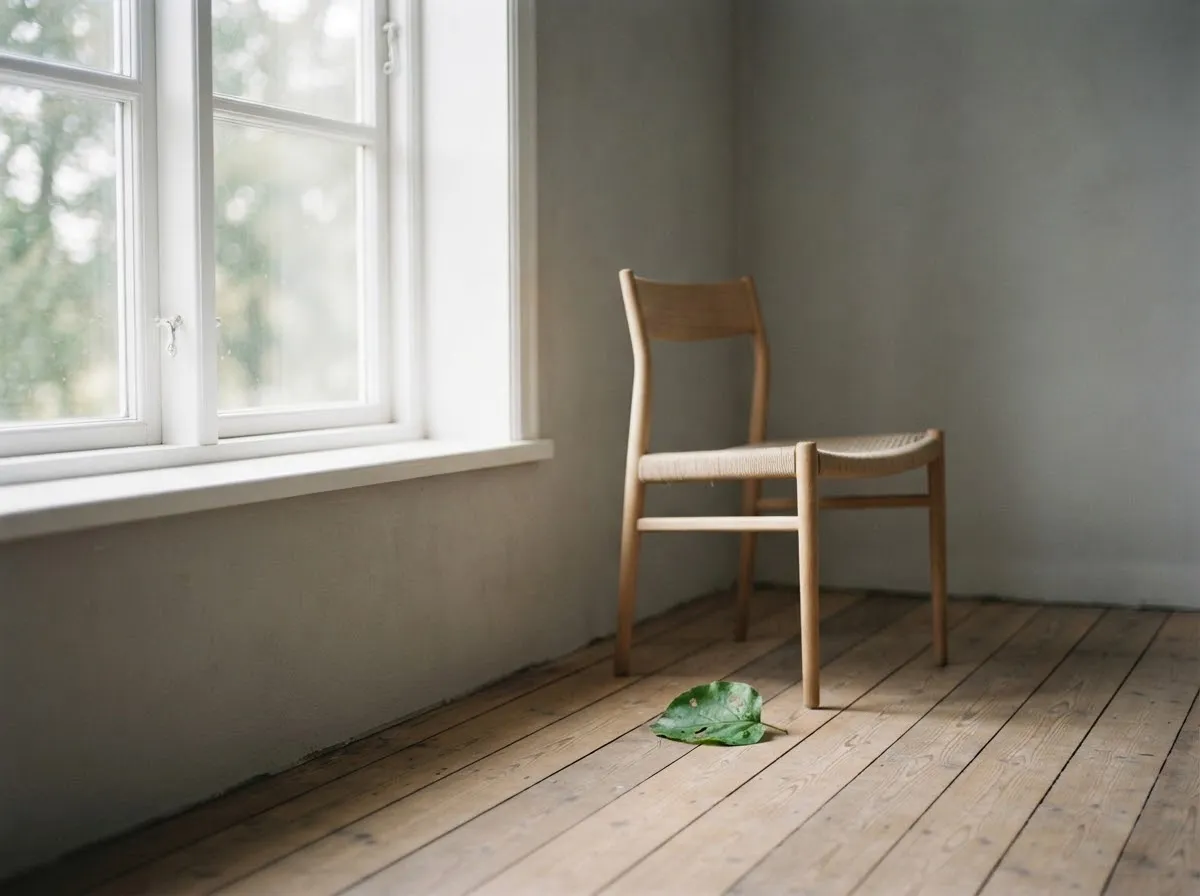
Indoors, a window is essentially a large, free softbox. You control how dramatic or soft it looks using three variables:
- Subject angle to the window: Facing the window gives flat, even light with minimal shadows. Turning your subject 45 to 90 degrees to the window creates side light with modeling and depth across the face. Placing the window behind the subject produces rim light or a silhouette.
- Distance from the window: Light intensity falls off with distance according to the inverse-square law documented in optics references such as HyperPhysics: moving a subject twice as far from a small source drops illuminance to one-quarter (2 stops darker). While a large window close to a subject falls off more gradually than a point source, stepping a few feet away still drops brightness quickly and darkens the background relative to the subject. You can estimate distance-to-exposure changes with our light distance exposure calculator.
- Diffusion and bounce: A sheer white curtain softens direct sunbeam light coming through a window, while a simple white wall or foam board on the opposite side bounces light back into the shadow side of your subject.
For step-by-step indoor positioning, read our window light portrait setup guide.
Natural light vs. artificial light
Natural light is free, requires no setup hardware, and offers unmatched power outdoors. Its limitation is control: you cannot dim the Sun, stop clouds from moving, or shoot a consistent look indoors after dark. When you need repeatable brightness, color, and timing—especially for indoor video or studio work—you can step up to LED, strobe, or speedlight gear or turn off room bulbs so mixed color casts do not clash with your window light.
Guides in the Natural Light series
Explore each sub-topic in this cluster:
- Window Light Portrait Setup: Position, Time and Diffusion — How to angle your subject, control background falloff, and soften direct sun through a window.
- Golden Hour Photography Explained — How low sun elevation shapes warmth and direction, and how twilight differs from sunset.
- Open Shade and Overcast Light for Photos — How to find clean, directional shade and correct cool blue color casts.
For how we verify specifications and standards across our guides, see our editorial policy.
All Natural Light guides
- Backlight and Rim Light with a Window
How to shoot backlit window portraits and rim light using metering, exposure lock, flare control, and reflector fill without blowing out skin tones.
- Food Photography with Window Light
Use side light, backlight, sheer diffusion, and bounce cards to shape texture and highlights in food photography with window light.
- Golden Hour Photography Explained
Learn what causes golden hour light, when it occurs by solar elevation, how long it lasts, and which white balance and camera settings preserve warm tones.
- Indoor Natural Light Photography Without Flash
How to shoot indoor natural light photography without flash using window placement, camera exposure settings, white balance, and falloff control.
- Natural Light vs Artificial Light: When to Use Each
Natural light vs artificial light compared on cost, color stability, power, and control so you can decide when window light or studio gear fits best.
- Open Shade and Overcast Light for Photos
How to find open shade, use overcast clouds as a giant softbox, fix blue color casts with white balance, and keep catchlights in outdoor portraits.
- Reflectors and Diffusers for Natural Light
How reflectors and diffusers shape natural light using specular vs diffuse reflection, translucent transmission, and distance control.
- Window Light Portrait Setup: Position, Time and Diffusion
Set up flattering window light portraits using subject angle, distance falloff, sheer diffusion, and white balance settings without extra studio gear.
Common questions
Why does direct midday sunlight create harsh shadows compared to cloudy days?
Shadow edge sharpness depends on the apparent angular size of the light source as seen by the subject. According to NASA's Sun Fact Sheet, the Sun spans only about 1,919 arcseconds (roughly 0.53 degrees) in the sky, so direct sunlight behaves like a very small, hard light source. On an overcast day, clouds scatter sunlight across the entire sky dome, turning the sky into a massive soft light source.
What white balance setting should I use for outdoor shade?
Outdoor shade is lit mostly by blue skylight rather than direct sunlight, which gives images a cool blue cast if the camera stays on a Daylight preset. Camera manuals such as Canon's EOS R6 guide list Daylight at roughly 5200 K and Shade at roughly 7000 K, adding warmth to neutralize the blue sky reflection. You can also set a custom white balance or shoot RAW to adjust Kelvin later.
Is golden hour an official astronomical time period?
No. Astronomical authorities such as the U.S. Naval Observatory define sunrise, sunset, and civil, nautical, and astronomical twilight by exact solar depression angles (6, 12, and 18 degrees below the horizon for twilight), but golden hour has no single official definition. Photographers generally use the term for the period shortly after sunrise or before sunset when the Sun is low near the horizon.
How does distance from a window affect portrait brightness?
A window acts as the light source for indoor natural light. While a large window very close to a subject falls off more gradually than a tiny bulb, moving farther into the room still drops light intensity quickly according to inverse-square geometry. Placing your subject close to the window keeps exposure higher and creates a noticeable brightness falloff across the background.
When should I add a reflector to natural light?
A reflector is most useful when natural light comes strongly from one direction, such as a side window or low afternoon sun, leaving the shadow side of your subject too dark. Holding a white card or collapsible reflector opposite the window or sun bounces existing light back into the shadows without introducing a second color temperature.
What we checked
- NASA Goddard Space Flight Center: Sun Fact Sheet, checked 2026-11-14 (nssdc.gsfc.nasa.gov)
- U.S. Naval Observatory: Rise, Set, and Twilight Definitions, checked 2026-11-14 (aa.usno.navy.mil)
- Canon EOS R6 Product Manual: White Balance, checked 2026-11-14 (cam.start.canon)
- Sony ILCE-6000 Help Guide: White Balance, checked 2026-11-14 (helpguide.sony.net)
- HyperPhysics (Georgia State University): Inverse Square Law for Light, checked 2026-11-14 (hyperphysics.phy-astr.gsu.edu)
You might also like
- Window Light Portrait Setup: Position, Time and Diffusion
Set up flattering window light portraits using subject angle, distance falloff, sheer diffusion, and white balance settings without extra studio gear.
- Golden Hour Photography Explained
Learn what causes golden hour light, when it occurs by solar elevation, how long it lasts, and which white balance and camera settings preserve warm tones.
- Open Shade and Overcast Light for Photos
How to find open shade, use overcast clouds as a giant softbox, fix blue color casts with white balance, and keep catchlights in outdoor portraits.
- Color Temperature and White Balance Explained
Learn Kelvin color temperature, camera white balance presets, green/magenta tint, CRI vs TLCI, and how to prevent mixed-lighting color casts.
- Backlight and Rim Light with a Window
How to shoot backlit window portraits and rim light using metering, exposure lock, flare control, and reflector fill without blowing out skin tones.
- Food Photography with Window Light
Use side light, backlight, sheer diffusion, and bounce cards to shape texture and highlights in food photography with window light.