Let there be light, placed on purpose.
Lighting guides for photo and video shooters. Switch the lights on one at a time and see what each one does to a face.
Pick your light
55 guides and 5 tools, filed under six categories.
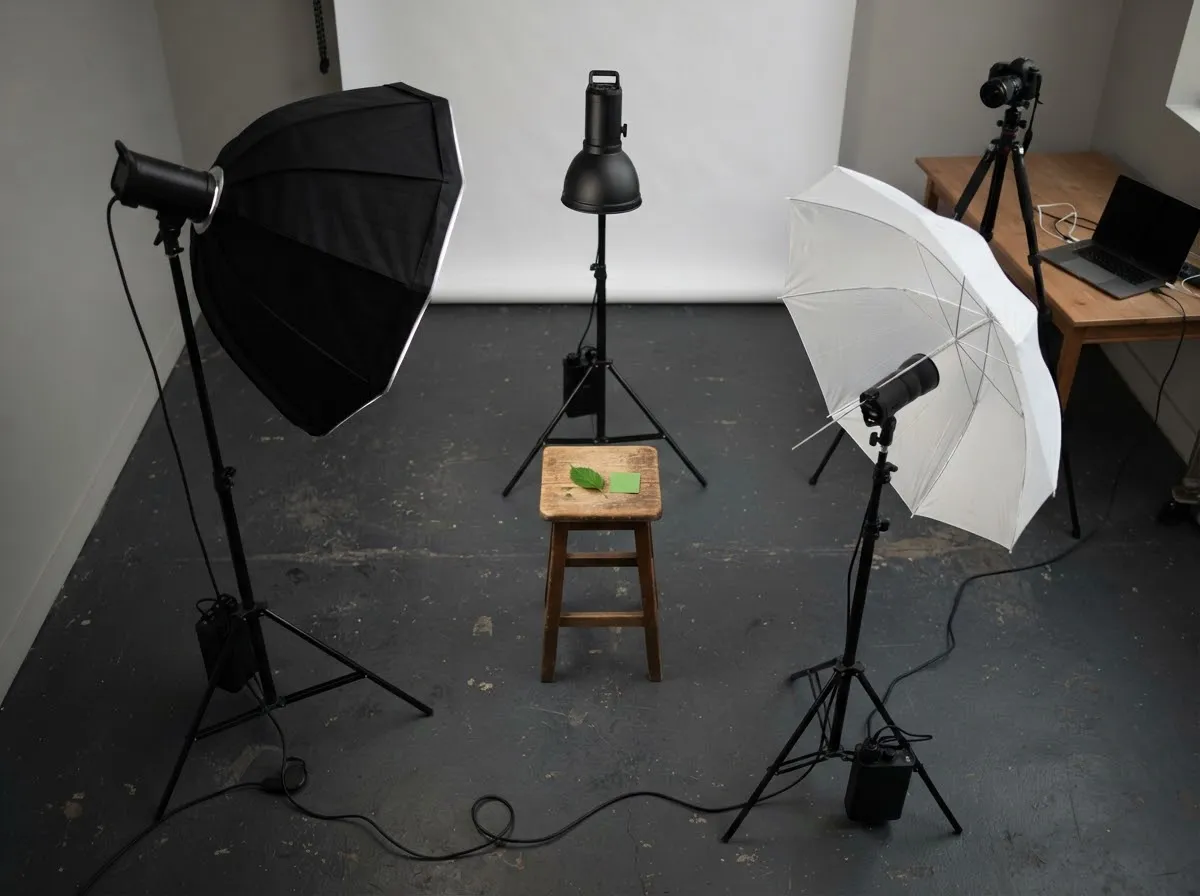 12 guidesSetups and ExposureWhere each light goes, and how many stops apart.
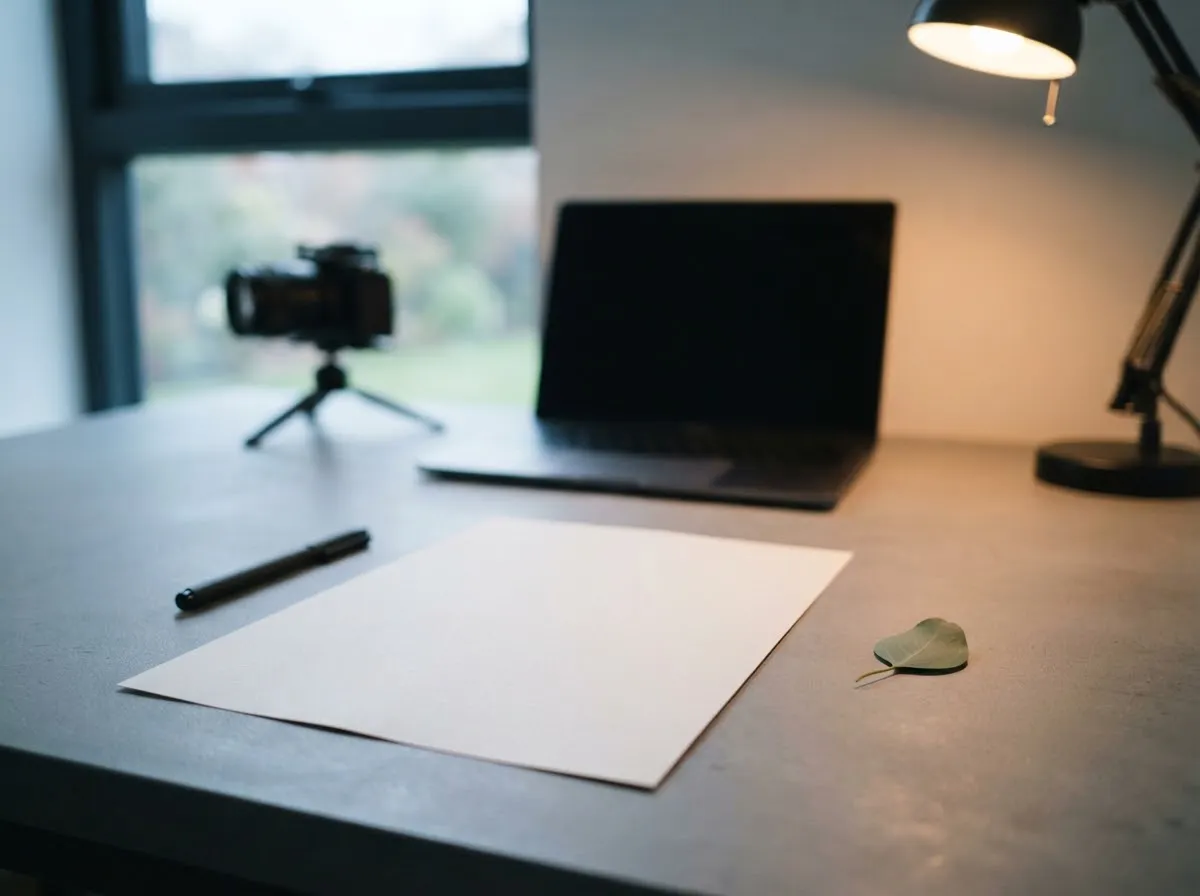 12 guidesLighting GearLEDs, strobes, speedlights and the modifiers in front of them.
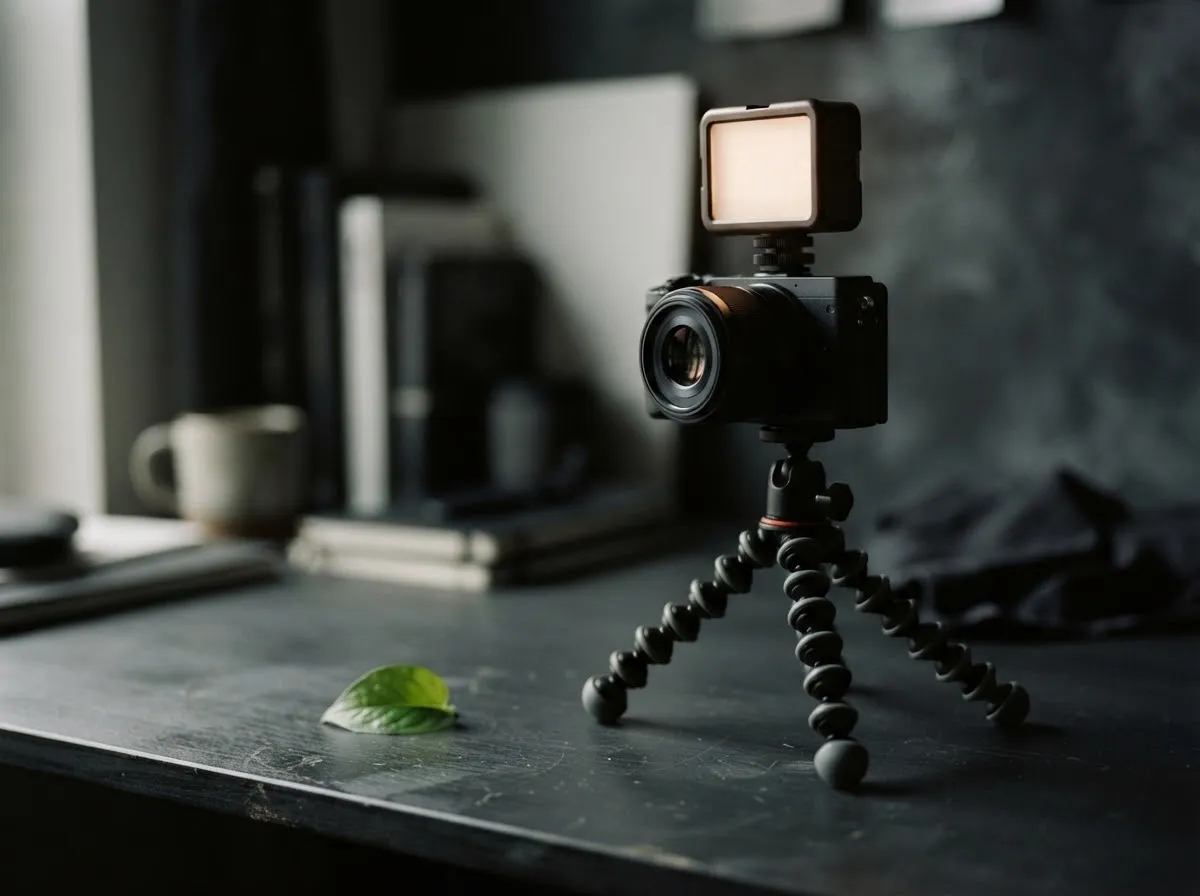 12 guidesVideo LightingCalls, talking heads, green screen and flicker.
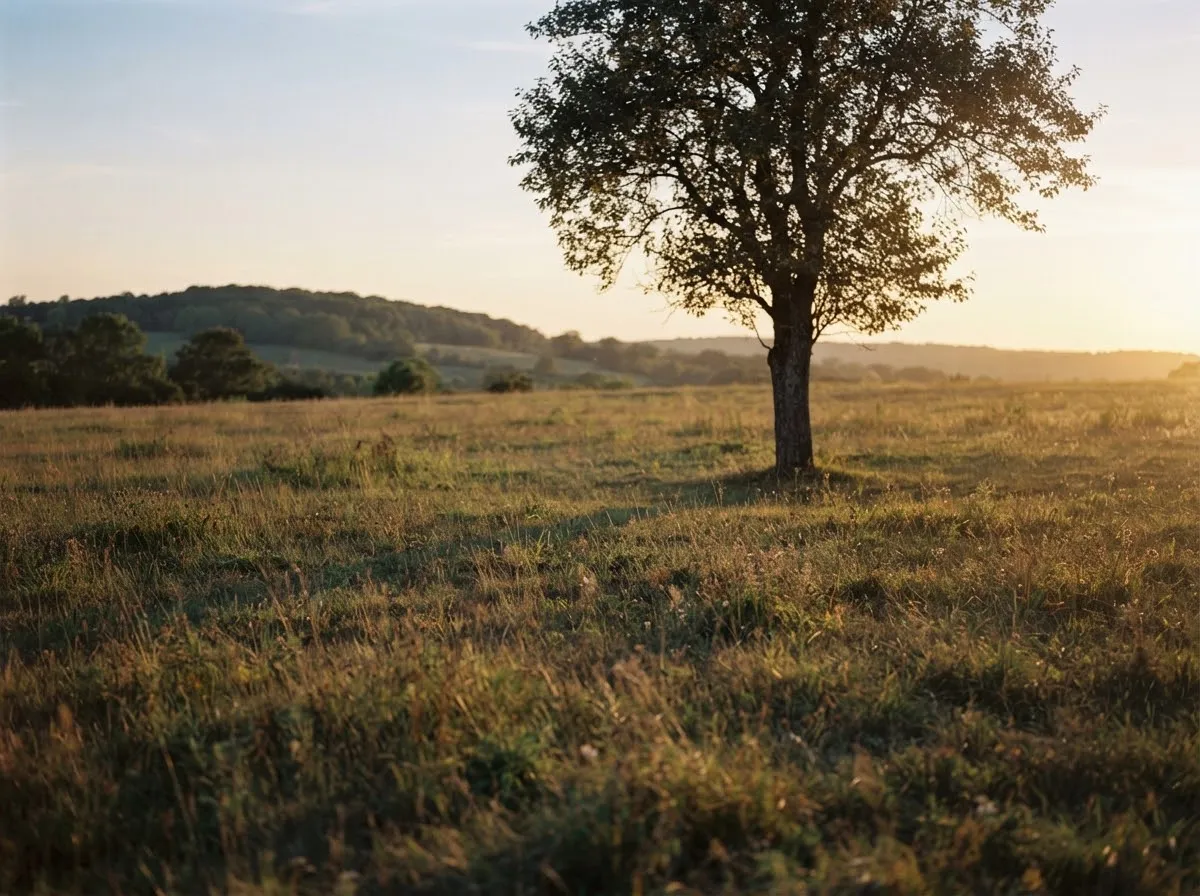
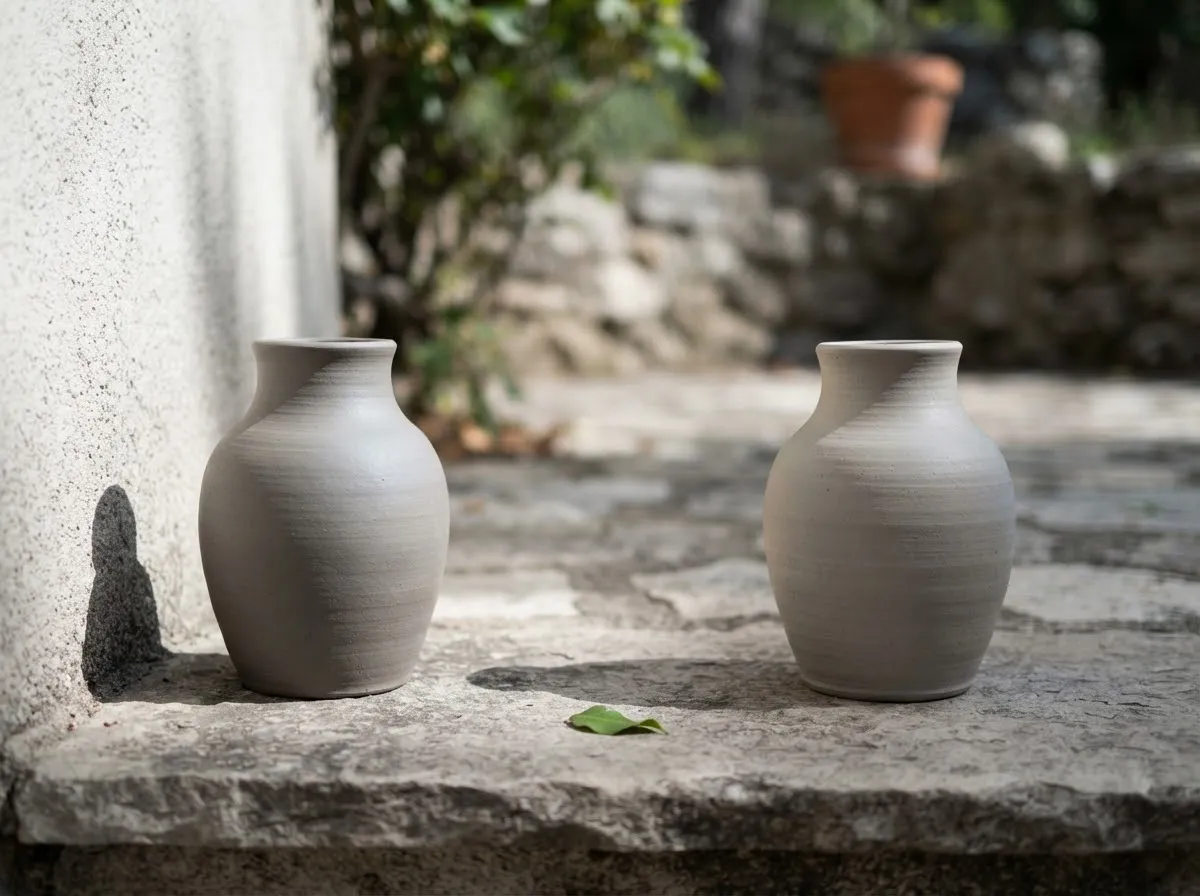 9 guidesNatural LightWindows, open shade, golden hour and a reflector.
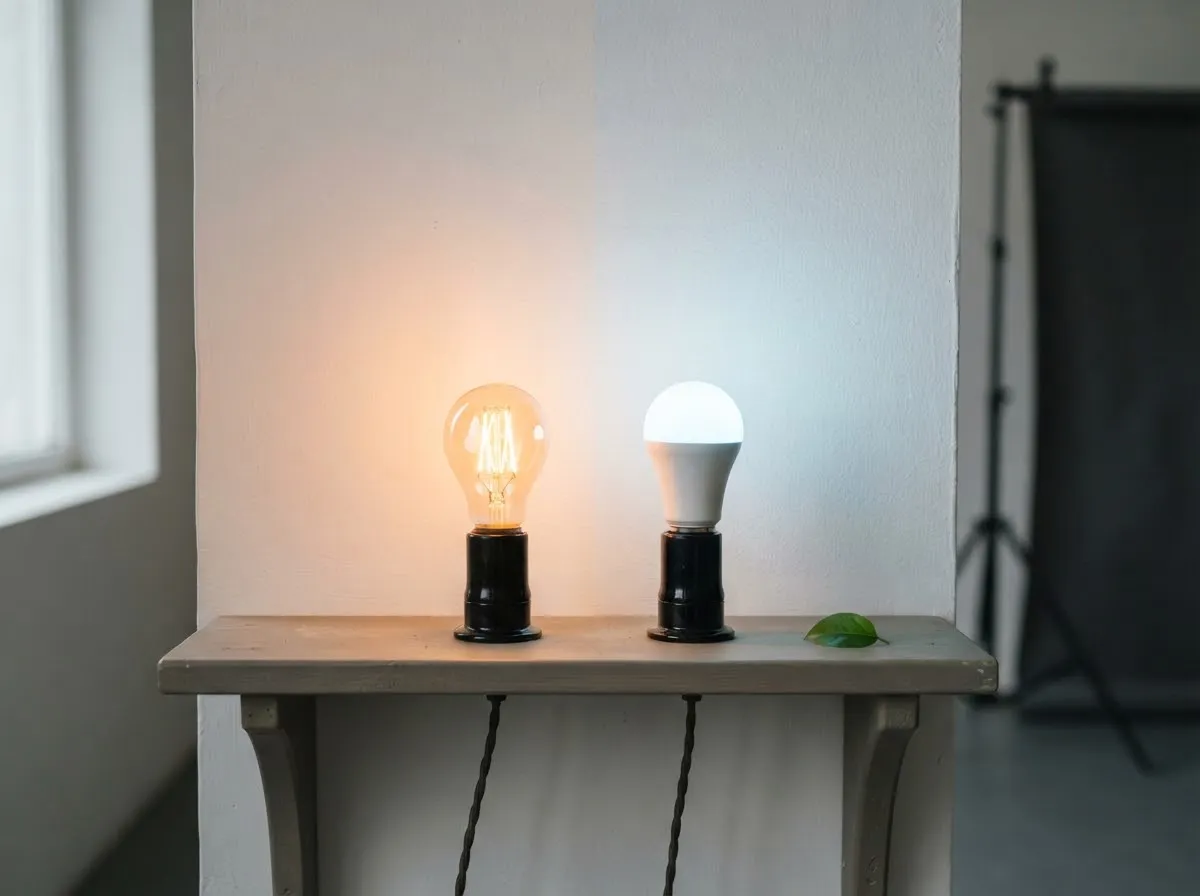 10 guidesColor and White BalanceKelvin, tint, gels and getting whites to read white.
 5 toolsToolsCalculators for Kelvin, distance, softness and golden hour.
On the bench
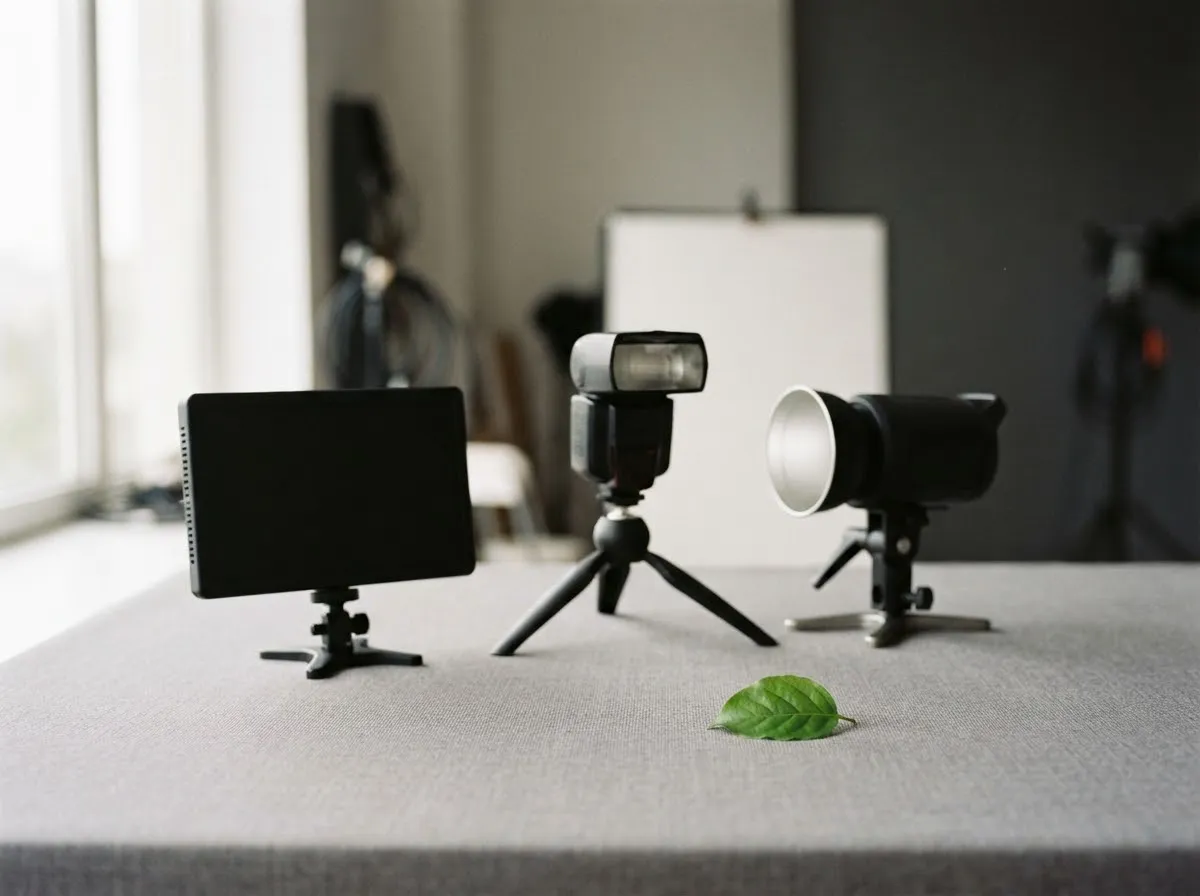
Five guides to start with, one from each kind of light.
Guides, by job
Each one opens with the answer, then shows the maths and cites the manual.
Setups and Exposure
Where each light goes, and how many stops apart.
Lighting Gear
LEDs, strobes, speedlights and the modifiers in front of them.
Video Lighting
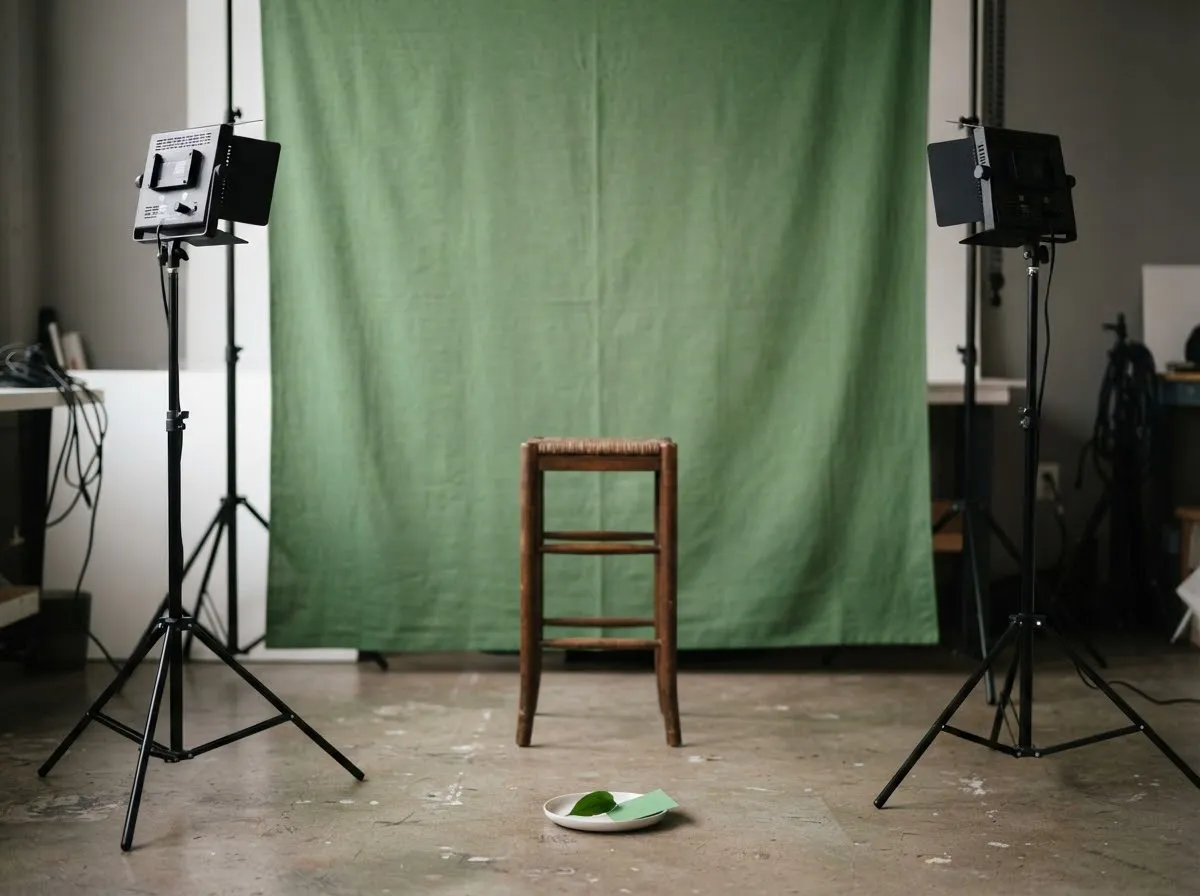
Calls, talking heads, green screen and flicker.
Color and White Balance
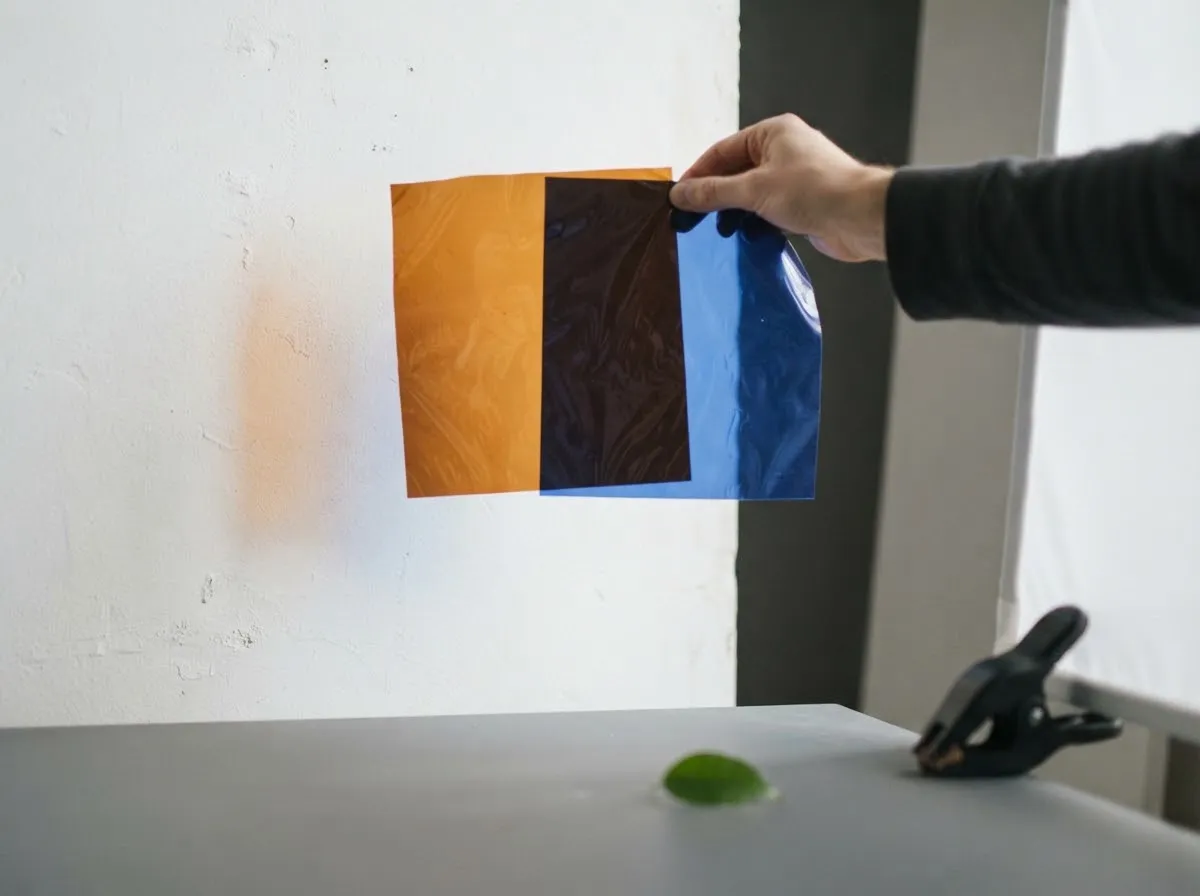
Kelvin, tint, gels and getting whites to read white.
Shooting by a window instead? The Natural Light guides cover that, and every guide is listed in the index below.
White balance in one paragraph
Your camera does not see color, it sees ratios. White balance tells it which Kelvin value should become neutral. Set it to your light and white reads white. Set it wrong and the whole frame leans orange or blue.
Open the Kelvin matcherDivide a million by the Kelvin value. Subtract source from target to get the shift a gel or dial must supply.
A full CTO gel adds +159 mireds toward 3200 K. A full CTB gel subtracts 137, per the gel makers' published data sheets.
Kelvin cannot say whether a light leans green or magenta. Two lights set to the same number can still disagree on camera.
Sources. Preset values from a camera maker's manual (Canon EOS-1D X Mark III). Gel shifts from gel makers' data sheets. LED specs (CCT range, CRI, TLCI) from manufacturer pages. Blackbody color from Planck's law with NIST CODATA constants and CIE 1931 functions. Flicker and TLCI context follows EBU recommendations. Presets vary by camera model, so check your manual.
Every guide, by category
The full index. Each list opens with the category's main guide.
Setups and Exposure12
- Three-Point Lighting Explained for Beginners
- Key-to-Fill Ratio Explained
- The Inverse Square Law of Light for Photographers
- Light Meters: Incident vs Reflected Readings
- Hard Light vs Soft Light: What Changes the Shadows
- Portrait Lighting Patterns: Loop, Rembrandt, Butterfly
- Common Lighting Mistakes in Photo and Video
- Exposure Basics for Lighting: Stops, ISO, Aperture, Power
- Headshot Lighting at Home
- ND Filters in Bright Light: Stops and Shutter Speed
- Product Photography Lighting at Home
- Shutter Speed, Aperture, ISO and Light
Lighting Gear12
- LED vs Strobe vs Speedlight: What to Start With
- Bi-Color vs RGB LED Lights: What Each Does
- Softbox vs Umbrella: Light Quality and Control
- Flash Sync Speed and High-Speed Sync Explained
- Battery vs Mains-Powered Lights for Photo and Video
- Continuous LED Lights for Beginners
- Budget Photo and Video Lighting Kit Guide
- DIY Reflector and Diffuser from Household Materials
- Flash Guide Number Explained
- LED Panel vs Ring Light for Photo and Video
- Light Modifiers Explained: Softboxes, Umbrellas, Reflectors
- Speedlight vs Studio Strobe: Differences That Matter
Video Lighting12
- Video Lighting Setup for Calls and YouTube
- Lighting for Talking-Head Videos
- LED Flicker on Camera: Shutter Speed and Banding
- Video Call Lighting: Look Better on Webcam
- Lighting for Glasses: Avoiding Glare on Camera
- Green Screen Lighting: Even Backdrop, Clean Key
- Lighting a Small Home Office for Video
- Lighting for Online Teaching and Webinars
- Using a Ring Light for Video Calls
- Webcam Exposure and White Balance Settings
- Window Light for Video and Calls
- YouTube Lighting Setup on a Budget
Natural Light9
- Natural Light Photography: A Beginner Guide
- Window Light Portrait Setup: Position, Time and Diffusion
- Golden Hour Photography Explained
- Open Shade and Overcast Light for Photos
- Indoor Natural Light Photography Without Flash
- Reflectors and Diffusers for Natural Light
- Backlight and Rim Light with a Window
- Food Photography with Window Light
- Natural Light vs Artificial Light: When to Use Each
Color and White Balance10
- Color Temperature and White Balance Explained
- Custom White Balance with a Gray Card
- Mixed Lighting and Color Casts: Why Skin Looks Orange or Blue
- RAW vs JPEG White Balance: What You Can Fix Later
- Kelvin vs Tint: Fixing Green and Magenta Color Casts
- Lighting Gels: CTO and CTB for Color Matching
- CRI and TLCI Explained: Color Accuracy of Lights
- Matching LED Lights to Daylight
- What Is Color Temperature in Photography?
- White Balance Explained: Settings and When to Change Them